
Table of contents
Most travelers don’t regret the hotel they picked, they regret the moments they didn’t make time for, the detours they dismissed as “next time”, and the local invitations they let slip because the itinerary looked full. In an era of packed city breaks and algorithm-driven “must-sees”, the biggest misses are often the quieter, more human activities that never trend, yet end up defining a trip. Tourism researchers keep pointing to the same pattern: experiences beat possessions, and participation beats observation.
They watched the city, but never joined it
How many trips end as photo albums, not memories? It happens when travelers stay in spectator mode, moving from landmark to landmark while local life unfolds just out of frame, and the result is a familiar post-trip frustration: “I saw everything, but I didn’t feel anything.” Academic work on travel satisfaction has long hinted at why. In a widely cited review in Journal of Travel Research, researchers found that experiential purchases tend to deliver more lasting happiness than material ones, largely because they are more connected to identity, social connection, and storytelling. In plain terms, you remember the night market chat and the impromptu cooking lesson longer than the fourth museum.
Yet many visitors still skip the activities that turn observation into participation, often because they appear “touristy” at first glance, or because they require a small social leap. A group food tour can look like something you could do alone, but its value is access: the guide explains what you are eating, why it matters, and how locals choose it, and the group dynamic lowers the barrier to conversation. The same is true of joining a neighborhood festival, a community sports game, or a volunteer half-day; the experience forces you into the rhythms of a place rather than its highlights. Even simple formats like a short workshop, pottery, calligraphy, traditional dance, can deliver the kind of sensory memory that typical sightseeing cannot.
There is also a structural reason these moments get skipped: the modern trip is optimized for efficiency. Travelers stack “Top 10” lists, chase opening hours, and treat days like checklists, which leaves little room for the unplanned. But tourism studies repeatedly associate satisfaction with a feeling of autonomy and authenticity, and that often requires slack time. It is not about abandoning planning; it is about planning the conditions for spontaneity, keeping one afternoon free, choosing one neighborhood to wander without a map, and saying yes when a local suggests a place that is not on your screen.
The missed evening that changes everything
Night is where many destinations reveal their real character. Skip it, and you risk missing the city’s second identity, the one that belongs less to visitors and more to residents. This is especially true in places where daytime tourism is intense: historic centers, waterfronts, popular shopping districts. By evening, the crowds thin, the lighting changes, and the social life becomes legible. Travelers frequently regret not reserving at least one evening for something anchored in local culture, whether that is a performance, a late-market crawl, a neighborhood bar with live music, or simply a long dinner in a non-tourist district.
Data backs up the value of “after dark” travel. UN Tourism has pointed to the growing importance of diversifying visitor flows in time as well as space, because spreading demand beyond the classic daytime peak reduces pressure on hotspots and can improve the visitor experience. Cities from Amsterdam to Barcelona have experimented with measures to manage overtourism; one of the consistent insights is that concentrating everyone in the same places at the same hours degrades the trip for everyone. For individual travelers, choosing an evening activity outside the obvious zone can be a win-win: it is often calmer, sometimes cheaper, and more likely to generate genuine interaction.
Practicality plays a role too. Travelers skip evenings because they are tired, unsure about transport, or wary of safety, but many destinations have reliable night buses, well-lit promenades, and taxi apps that make logistics straightforward, and the safety picture can be more nuanced than headline fears suggest. The key is to plan one or two nights with intent: check last train times, book a table near public transport, and know your route back. If you are in a place where guided experiences are common, a small-group night walk can offer both orientation and confidence, and it can also reveal the stories that daylight hides: street art politics, migration histories, music scenes, and the way neighborhoods change block by block.
Small adventures beat “big ticket” sights
Are you chasing prestige, or pleasure? Many travelers regret spending heavily on “iconic” attractions while skipping small adventures that cost less, require less time, and deliver more emotional return. The classic example is the day trip that turns into a blur: three hours each way for one photo. Another is the high-priced observation deck that delivers the same skyline you could have seen from a hill, a public park, or a modest rooftop bar. The regret is not always financial; it is also about opportunity cost. Every oversized commitment eats the time that could have gone to a swim, a hike, a bike ride, or a slow afternoon in a neighborhood café.
The economics are clear in many destinations. According to the UK’s Office for National Statistics, the average UK household spent around £1,000 on overseas holidays in 2022, reflecting both a rebound in travel and the reality that budgets are finite. When money and time are limited, value matters, and value is not always correlated with price. A half-day outdoors, a local sauna, a river ferry, or a guided walk can be inexpensive compared with headline attractions, and often produces richer sensory memories. Researchers studying “peak-end” effects in experiences have also shown that people disproportionately remember the high point and the ending of an event, which suggests a smart strategy: engineer a few genuine peaks, and end days well, rather than cramming in everything.
This is where well-designed activity providers can change a trip. Travelers often regret skipping a puzzle-like experience that makes them explore differently, because it turns a destination into a story. A city game, a mystery trail, or an escape-style adventure can push you into alleys, viewpoints, and local businesses you would never have sought out, and it also creates a shared narrative for couples, friends, or families. On Jeju Island, for example, visitors frequently underestimate how quickly the island’s landscapes shift, from volcanic coast to forested slopes, and how much more engaging it can be to explore with a structured challenge rather than a list of stops. For those looking to add that kind of playful, problem-solving layer to their itinerary, https://www.jeju-escape.com/ is one of the options travelers consider when they want an experience that mixes movement, clues, and destination storytelling without turning the day into a rigid tour.
The “I’ll do it next time” trap
The most expensive assumption in travel is that you will return. People say it casually, but statistics on repeat visitation show how uncertain it is, and the reasons are obvious: life changes, budgets tighten, new destinations compete for attention, and flight patterns shift. The result is a quiet, common regret: travelers skip the one activity they were curious about because it felt slightly inconvenient, slightly indulgent, or slightly outside their comfort zone. Later, it becomes the defining “what if” of the trip.
This is where psychology meets logistics. Behavioral scientists describe how decision fatigue and overchoice can push people toward default options, and travel is full of both. After days of navigating transport, menus, and crowds, it is easier to pick the familiar than the unknown, even if the unknown is what you came for. The solution is not to plan every hour; it is to pre-commit to a few high-intent experiences. Choose one “stretch” activity, something you cannot do at home, and protect it in your schedule the way you protect a flight. That could be a dawn hike, a diving lesson, a traditional performance, or a hands-on craft session, and if it requires booking, book early.
There is also a cultural dimension to regret. Many travelers later realize they engaged with a destination through internationalized formats, the same brunch menus, the same souvenir streets, the same social-media viewpoints, and missed the rituals that locals actually value. In Japan it might be a sento or a regional festival; in Mexico, a market breakfast and a cooking class built around it; in Korea, a jjimjilbang and a neighborhood food crawl. On islands and rural regions, it can be even more pronounced because the experience of place is tied to nature and community. Jeju’s haenyeo culture, its oreum volcanic cones, and its distinct food traditions are not interchangeable with mainland itineraries, and travelers who treat the island as a checklist often leave feeling they skimmed the surface.
To avoid the “next time” trap, build a simple rule: if an activity is unique to this destination, requires good weather, or has limited slots, prioritize it early in the trip. That way, if plans change, you still leave with the experience you would have regretted missing. And if you are traveling with others, have the conversation upfront: what is the one thing each person does not want to regret? Naming it makes it real, and it makes it harder to sacrifice when the schedule gets crowded.
How To Make Room Without Overspending
Regret-proofing a trip is less about adding more, and more about choosing better. Start with one booked experience per day at most, then leave breathing space for discovery; if you are traveling in peak season, reserve your “limited-slot” activities early, and keep flexible ones, beaches, parks, self-guided walks, for later. Budget-wise, swap one expensive, high-profile attraction for two smaller, participatory activities, and track the true cost of day trips: transport, food, and the hours you lose.
For booking, aim for refundable options when possible, and check what is included, transport, language, cancellation terms, before paying. Many destinations also offer city passes or regional discounts, while families should look for child rates and bundle deals. The simplest practical trick is the most effective: decide the one experience you will not skip, put it on the calendar, and build the rest of the trip around it.
Similar
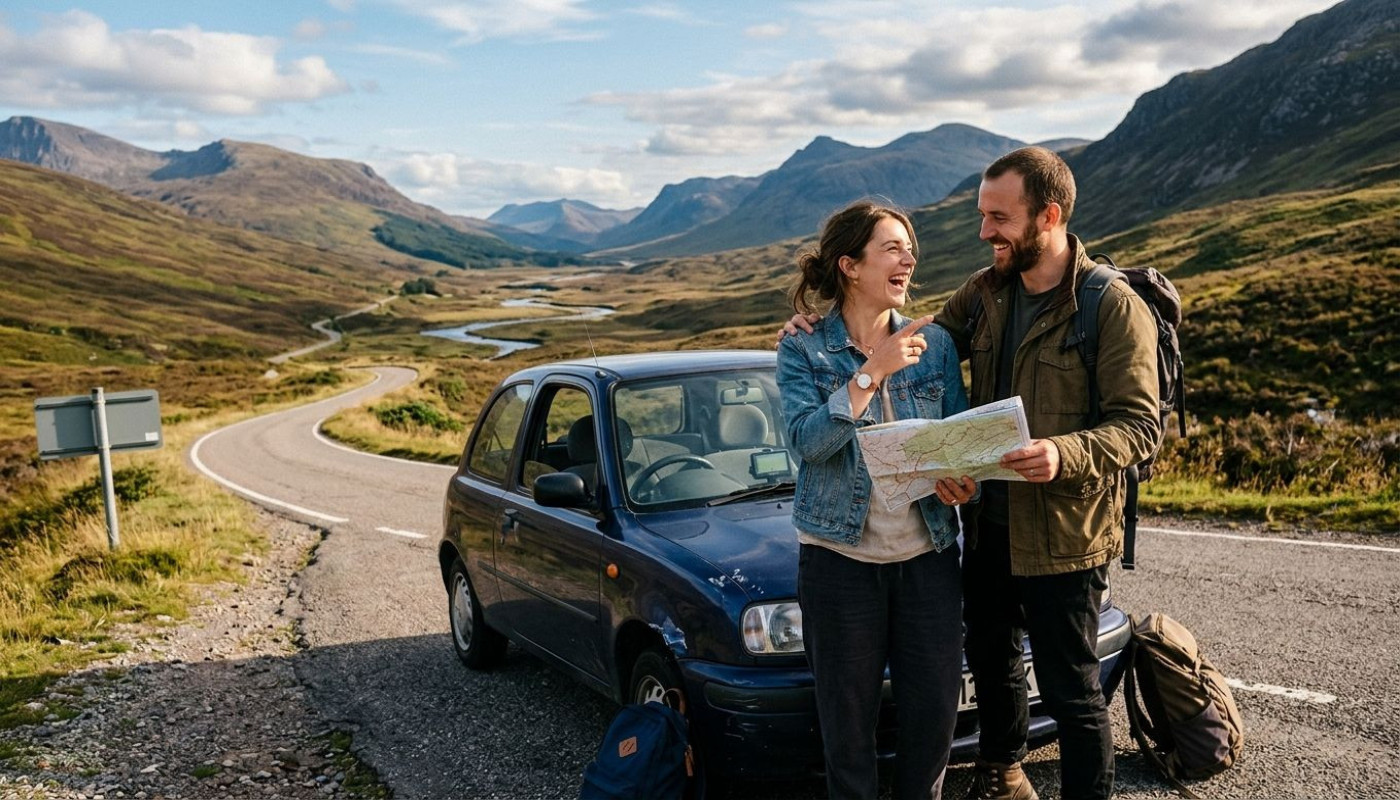
Personal Stories: When A Wrong Turn Creates The Perfect Travel Itinerary

Are Unique Excursions The New Benchmark For Authentic Travel Experiences?

Behind The Scenes: Digital Tools Shaping Modern Explorations

Challenging The Comfort Zone: Why Your Itinerary Could Use A Detour

Cultural Festivals That Celebrate Traditional French Life

Top Tips For Enjoying Luxury Travel Without Breaking The Bank

Discovering serene escapes best tranquil destinations for meditation and relaxation in Asia

Discovering The Mystical Allure Of Historic Stone Circles
