
Table of contents
What if your next best travel day wasn’t on your plan at all? Across Europe, operators report that travelers are booking later, staying shorter, and looking harder for experiences that feel “local” rather than checklist-driven, a shift that has accelerated since 2022 as airfares and accommodation costs have remained volatile. In that context, the most valuable skill on the road is no longer optimization, it’s improvisation, and a well-chosen detour can turn a competent itinerary into a memorable one.
Detours are where cities reveal themselves
Skip the detour, and you often get the postcard version of a place, the same handful of streets, the same viewpoints, and the same photos that flood your feed before you even arrive. Take it, and the city starts speaking in a different register: side neighborhoods where daily life is louder than tourism, markets that still cater to residents first, and small museums where the staff have time to talk. That’s not romanticism; it’s how visitor flows work. In most European cities, a relatively small footprint absorbs a disproportionate share of foot traffic, and when your schedule keeps pulling you back to that footprint, you experience density rather than depth.
The numbers tell you why detours matter. According to the UN World Tourism Organization, international tourist arrivals in Europe have recovered strongly since the pandemic shock, and even as growth moderates, demand remains concentrated in major hubs and during peak windows. Meanwhile, many municipal tourism boards have started publishing heat maps, timed-entry policies, or crowd-management guidance, not because they dislike visitors but because they’re trying to keep daily life functioning. For travelers, that reality produces a simple trade-off: you can spend your time queuing, or you can reallocate it, and reallocation is often cheaper than you think. A detour doesn’t have to mean an extra hotel night; it can be a half-day shift, an earlier start, or a short ride out of the center that lets you come back when the pressure eases.
What makes a detour “worth it” is not distance but contrast. A strong detour changes your sensory environment, and it does it fast: the architecture changes, the language mix changes, the rhythm of cafés changes, and suddenly you’re watching how people actually use the city. That is also where your travel memories get more specific. You don’t remember “another central square,” you remember the neighborhood bakery that ran out of poppy-seed rolls by 10 a.m., and the park bench conversation that happened because you weren’t racing the clock. The comfort zone is efficient, yes, but it’s also where travel becomes interchangeable.
The comfort zone is costing you time
Here’s the uncomfortable question: are you planning to see more, or to move more? Modern itineraries can look packed while delivering surprisingly little, because the hidden tax is transit friction, ticket friction, and crowd friction. When a museum requires a timed slot, a security queue, and a pre-booked ticket, the “one-hour visit” quietly becomes a three-hour block. Layer that across a day, and the schedule starts collapsing under its own weight, which is why so many travelers end up exhausted by mid-afternoon, then guilty about “wasting” the evening. The comfort zone tends to amplify that pattern because it funnels you into the busiest places at the busiest times.
This is not just anecdotal. Industry data has repeatedly shown that travel demand is unevenly distributed, with peak-day and peak-hour surges that can multiply wait times far beyond what the average suggests. Cities and venues respond with capacity controls, and travelers respond with more planning, and the cycle tightens: you plan harder to protect your day, yet you get a more fragile day because a single delay breaks the sequence. Detours, done well, reduce fragility. They create slack, and slack is what turns a disrupted day into a flexible one.
Slack can be engineered with simple tactics. Pick one anchor attraction per day, not three, and place it either early morning or late afternoon, then build your detours in the middle when crowds swell. Treat lunch as an exploration tool: eat a 15-minute ride away from the center, and you’ll often spend less for better quality, while buying yourself a calmer hour. Use the “two-neighborhood rule,” meaning you commit to just two areas per day and you walk them properly, instead of pinballing across the map. Most importantly, learn to judge experiences by friction per minute, not by fame per minute, because fame is often what everyone else is optimizing for, and that is exactly why it becomes expensive in time.
One detour can change a whole trip
A single detour works when it is decisive, not timid. The timid detour is “we’ll see if we have time,” and of course you never do. The decisive detour is booked, or at least chosen, with the same seriousness as the headliner, because you’re acknowledging a truth that experienced travelers internalize: the best day is often the day you didn’t plan. Sometimes the detour is geographic, a short excursion to a nearby town, a hillside viewpoint, or a district outside the center, and sometimes it is thematic, swapping a famous museum for a workshop, a guided walk, or a food-focused evening that explains the place through taste and stories.
Detours also help solve a practical problem: uncertainty. Weather changes, transport strikes happen, and venues sell out, and while you can’t control the trigger, you can control whether your day has a backup that still feels meaningful. This is where guided options can make a difference, not because you need someone to “show” you a city but because good guides compress context, and context is what turns scenery into understanding. If you’ve ever stood in front of a landmark and felt oddly blank, it’s usually because you’re missing the connective tissue, and connective tissue is exactly what a strong detour provides.
For travelers passing through southern Poland, for example, a flexible day in Kraków can be transformed by choosing experiences that fit your time window, your interests, and the season, whether that means a focused historical walk, a food-led evening, or a day trip that gets you out of the center before it fills. The key is not to overload the schedule but to pick a detour that adds a different layer to what you already planned. If you want to scan options and build that layer without spending hours triangulating reviews, routes, and availability, you can start with https://www.krakow-trip.com/, and treat it as a menu of possibilities rather than a rigid program.
How to plan detours without losing control
Detours sound spontaneous, yet the best ones are prepared. The trick is to pre-decide your flexibility, and to do it in a way that protects the rest of your itinerary. Start by drawing a line under the non-negotiables: the flight, the hotel, and one or two experiences you truly care about. Everything else should be modular, meaning it can slide by a few hours, or be swapped without emotional damage. That mindset shift is powerful, because it stops you from treating every attraction like an obligation, and it makes you more willing to leave a crowded place earlier, which is often the correct decision.
Next, build detours that are “close enough” to be practical. A great rule is the 45-minute threshold: if a detour takes under 45 minutes door to door, it feels like part of your day, not a separate expedition. Over 45 minutes, you may still do it, but you need a clearer payoff. Also, plan detours around constraints that are predictable. If you know a museum will peak between 11 a.m. and 3 p.m., schedule your detour then, and return when the pressure drops. If you know you’ll be tired by evening, make the detour the evening: a guided walk, a performance, or a low-effort tasting that delivers a lot of atmosphere for minimal logistics.
Finally, budget for detours the same way you budget for meals: as a daily envelope. Many travelers underestimate how much detours can cost, not in money but in decision fatigue, so make your decisions early and keep them simple. Decide your daily ceiling for paid experiences, decide whether you prefer private, small-group, or self-guided formats, and keep a short shortlist of two backups. In Europe, where city taxes, timed-entry tickets, and dynamic pricing can add up quickly, detours can even be a cost-control tool, because stepping away from the hottest zones often means better value. The goal isn’t to abandon planning; it’s to plan for the part of travel that planning can’t predict.
Making it real: time, money, and bookings
Want the detour without the stress? Reserve one signature experience early, keep one half-day flexible, and set a clear daily budget for tours and transport. If you qualify for student, senior, or family reductions, check eligibility rules before you book, and prioritize small groups during peak season to reduce waiting. The best detours reward decisiveness.
Similar

Unexpected Activities Travelers Regret Skipping On Their Journeys
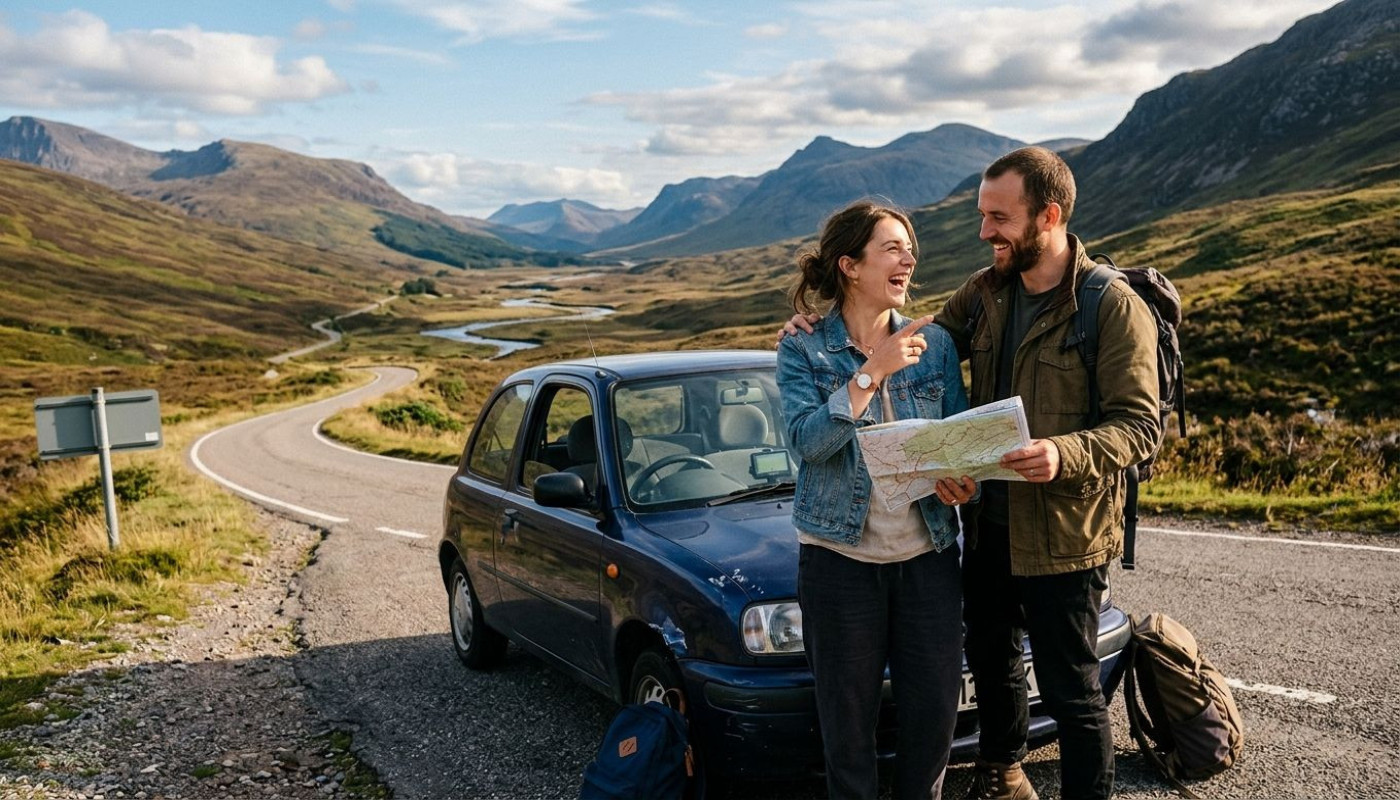
Personal Stories: When A Wrong Turn Creates The Perfect Travel Itinerary

Are Unique Excursions The New Benchmark For Authentic Travel Experiences?
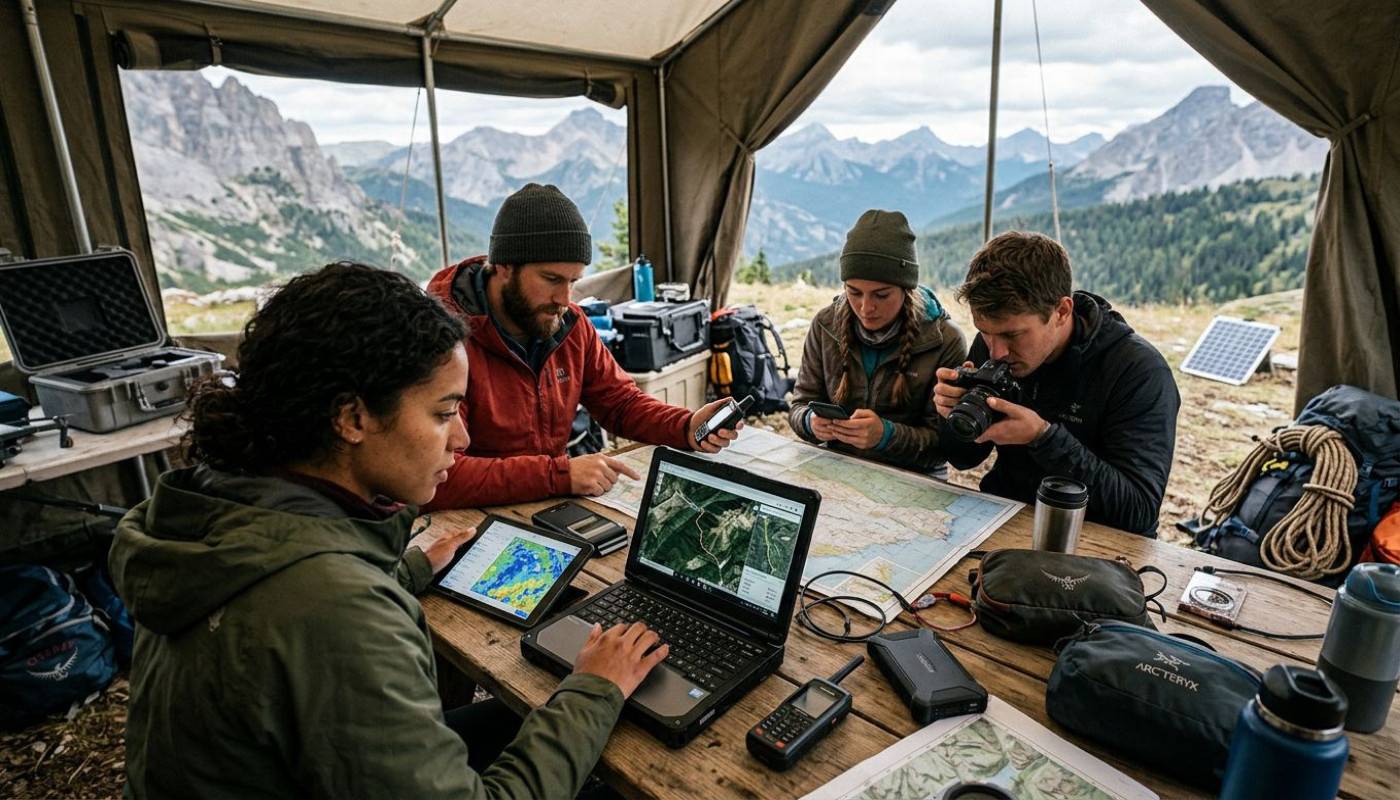
Behind The Scenes: Digital Tools Shaping Modern Explorations

Cultural Festivals That Celebrate Traditional French Life

Top Tips For Enjoying Luxury Travel Without Breaking The Bank

Discovering serene escapes best tranquil destinations for meditation and relaxation in Asia

Discovering The Mystical Allure Of Historic Stone Circles
